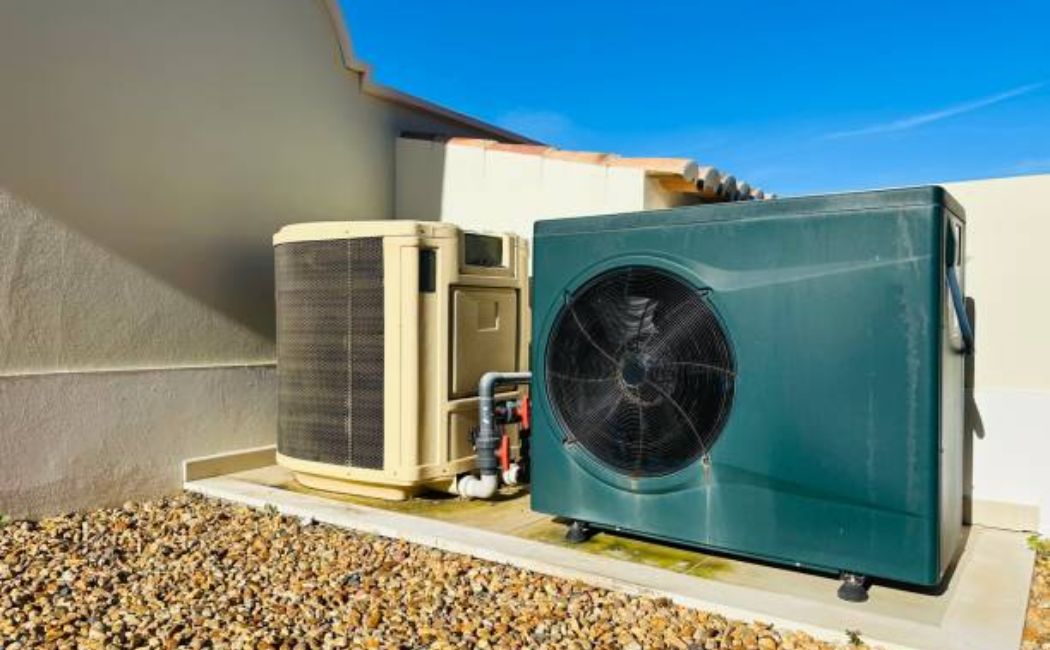
Keeping your pool water at a comfortable temperature makes a lot of difference in the overall experience. Installing a reliable electric pool heater ensures that you can extend your swim season and make the most of your investment.
Like any other equipment, electric pool heaters can also wear out or require maintenance over time. Consequently, it is essential to know when to repair or replace them to avoid costly repairs.
In this article, we will guide you through the most common signs it’s time to repair or replace your electric pool heater, the importance of working with a trusted pool heater company, and how different heater options such as gas pool heaters, pool heat pumps, or specialized brands like Hayward pool heaters and Jandy pool heaters stack up.
Common Signs You Need Pool Heater Services
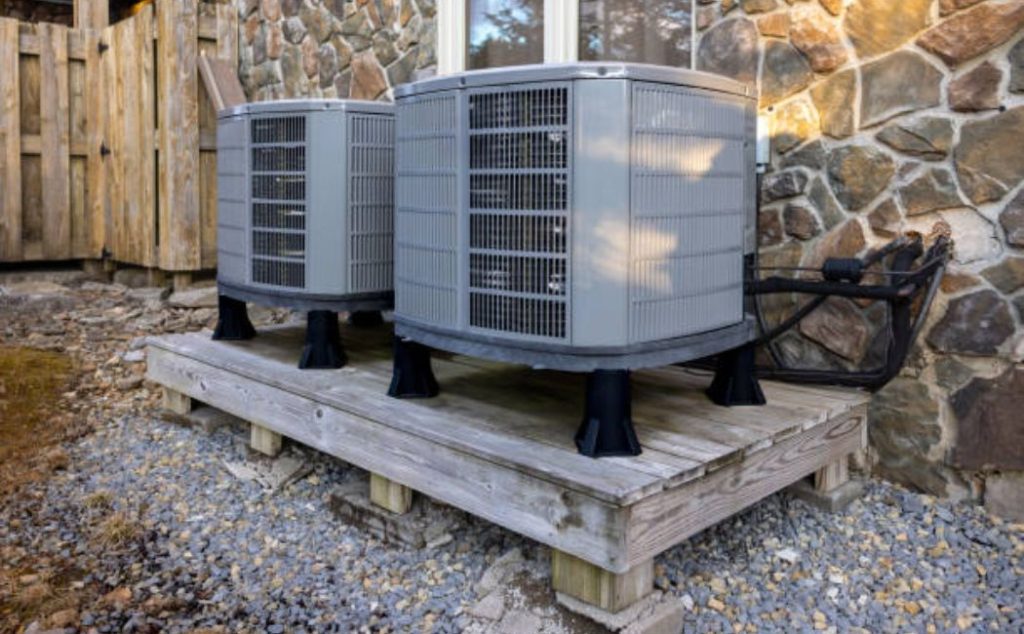
Here are some warning signs that indicate it may be time to schedule professional pool heater services for repair or even replacement.
- Heating Issues
The most apparent sign is lukewarm water or a pool that does not heat up even when the system is running. For an electric pool heater, this often means the heating element has burned out or there’s an electrical issue. In the case of a pool heat pump, it may point to problems with refrigerant or airflow.
If you own a Hayward pool heater or Jandy pool heater, weak heating performance may suggest issues with internal sensors, ignitors, or blocked flow.
- Rising Electricity Bills
If your electricity bills suddenly start to spike, this means that your pool heating system is struggling to maintain a specific temperature. As heaters age, they work harder and draw more power to achieve the same results. This is common in both electric pool heaters and gas pool heaters as efficiency drops over time.
- Strange Noises During Operation
Pool heaters are designed to run quietly. Grinding, banging, or whistling noises signal worn-out parts, debris buildup, or even internal corrosion. With a gas pool heater, unusual sounds could come from burners that need cleaning or replacing. An above-ground pool heater that rattles may also have loose components due to wear and tear.
- Frequently Turning On And Off
When your heater constantly starts and stops without maintaining steady heat, it can be frustrating. This “short cycling” often points to thermostat malfunctions, clogged filters, or damaged wiring in electric pool heaters. With pool heat pumps, restricted airflow is another common cause.
- Age Of The Heater
A pool heater should last between 8 and 12 years, depending on type and maintenance. If your above-ground pool heater or in-ground model is over a decade old and frequently requires repairs, replacement is usually the smarter long-term investment.
- Leaks Around The Heater
Any sign of water or condensation pooling around the heater needs immediate attention. For gas pool heaters, leaks may point to a failing heat exchanger. In electric pool heaters, leaking water can cause electrical hazards, making it essential to shut off power and call a professional pool heater company right away.
- Corrosion
Pool heaters operate in a damp, chemical-heavy environment, so some wear is expected. However, visible rust, corrosion on heating elements, or discolored water are red flags that your unit is nearing the end of its lifespan.
Repair vs. Replacement: Making the Right Choice
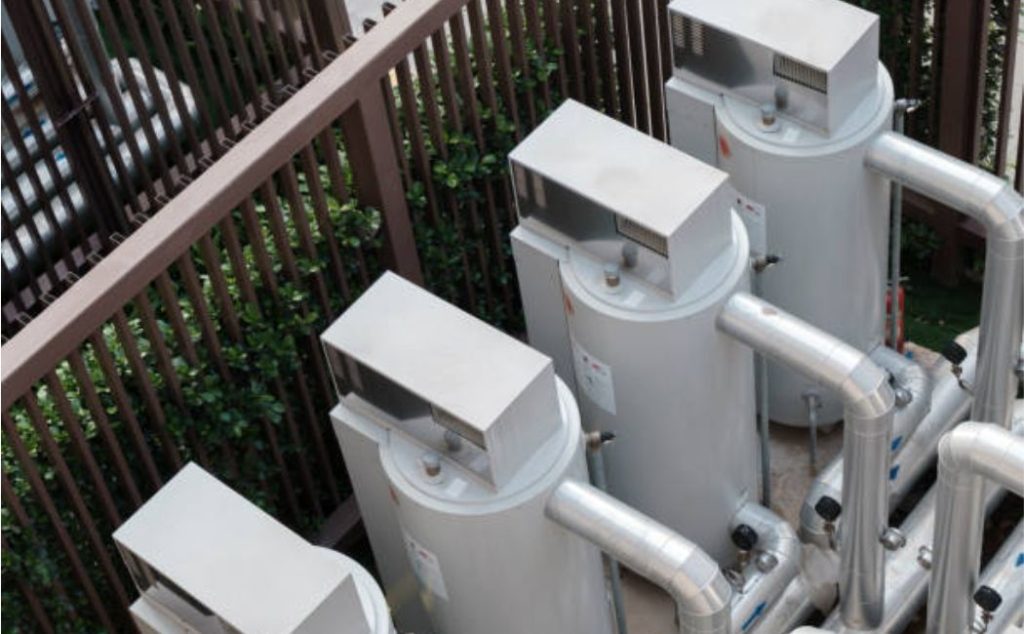
When your heater shows any of the above signs, the next step is deciding whether a repair will do or if a complete replacement makes more sense.
When to Repair
- The heater is less than 7 years old.
- The issue is minor (like replacing a thermostat, ignitor, or heating element)
- Repair costs are under 30% of replacement value.
- The brand is reliable (e.g., Hayward pool heater or Jandy pool heater), with parts readily available.
When to Replace
- The heater is over 10–12 years old
- Repairs are frequent and costly
- Energy bills remain high despite repairs
- The system no longer meets your household’s heating needs (for example, upgrading from a basic above-ground pool heater to a more efficient pool heat pump)
Choosing the Right Pool Heater for Your Needs
If replacement is necessary, choosing the right type of heater makes all the difference in long-term performance and efficiency.
Electric Pool Heater
The top benefits of installing a Jandy pool heater include quick heating and relatively easy installation. They are instrumental in warmer climates where maintaining moderate water temperatures is easier.
Gas Pool Heater
A gas pool heater (natural gas or propane) heats water quickly, making it ideal for those who use their pool occasionally and want rapid temperature increases. However, they generally have higher operational costs compared to electric models.
Pool Heat Pump
Pool heat pumps are energy-efficient options that draw heat from the air to warm your pool. While they have higher upfront costs, they pay off in long-term savings and eco-friendliness, making them an increasingly popular choice.
Above-Ground Pool Heater
If you own an above-ground setup, you will want a pool heater for above-ground pools designed for smaller water volumes. Both electric and gas pool heater models are available for these systems, depending on your preference and budget.
Brand-Specific Options
- Hayward Pool Heater: Known for durability and energy efficiency, suitable for both gas and electric options.
- Jandy Pool Heater: Popular for reliability and innovative controls, making temperature regulation simple.
Benefits of Professional Pool Heater Services
Hiring a professional pool heater company for installation, maintenance, or repairs comes with significant advantages:
- Expert Diagnosis: Pinpoint issues quickly and accurately.
- Safety Assurance: Prevents electrical hazards, gas leaks, or fire risks.
- Energy Savings: Ensures your unit runs at peak efficiency.
- Longer Lifespan: Regular tune-ups extend the life of your heater.
- Warranty Protection: Many brands, like Hayward pool heaters and Jandy pool heaters, require professional servicing to keep warranties valid.
How to Extend the Life of Your Pool Heater
Even after repair or replacement, you can maximize your investment with consistent care:
- Schedule annual maintenance with a pool heater company
- Keep filters clean and free of debris
- Ensure proper water chemistry to reduce corrosion
- Cover your pool when not in use to reduce heating demands
- Inspect wiring, valves, and components regularly
Final Thoughts
Your pool heater is an essential piece of equipment that keeps your swimming experience enjoyable throughout the season. Whether you own an electric pool heater, a gas pool heater, or a brand-specific system like a Hayward pool heater or Jandy pool heater, knowing the warning signs of failure is key.
If your above-ground pool heater or pool heat pump isn’t performing as it should, don’t wait until it completely breaks down. Vaughan Pool Heater is a trusted pool heater company that can determine whether repair or replacement is the best option.
By choosing our professional pool heater services, you will not only save money on energy and repairs but also enjoy worry-free swimming for years to come. Contact us today to get the best pool heater services.
Frequently Asked Questions
How do I know if my electric pool heater needs repair or replacement?
If your pool water isn’t heating properly, your heater is making strange noises, or your energy bills are rising unexpectedly, it’s a strong indication you need professional pool heater services.
How long does a pool heater typically last?
Most electric pool heaters and gas pool heaters last 8–12 years with proper care. If your unit is older than 10 years and requires frequent repairs, upgrading to a more efficient option like a pool heat pump or a newer Hayward pool heater or Jandy pool heater may be more cost-effective.
What’s the difference between an electric pool heater, a gas pool heater, and a pool heat pump?
- Electric pool heater: Heats quickly, easy to install, best for smaller pools or spas.
- Gas pool heater: Provides fast heating, ideal for occasional pool use, but has higher running costs.
- Pool heat pump: Uses heat from the air, is energy-efficient, eco-friendly, and best for long-term savings.
Can I use a pool heater for an above-ground pool?
Yes, you can install a pool heater for above-ground pools. Both electric and gas models are available, but selecting the right size is important for efficiency. A trusted pool heater company can recommend the best system for your setup.
Why should I hire a professional pool heater company instead of fixing it myself?
Professional pool heater services ensure accurate diagnosis, safety, and warranty protection. Attempting DIY repairs on an electric pool heater or a gas pool heater can be risky due to electrical components and gas connections.